The question most clients ask first isn’t the right one.
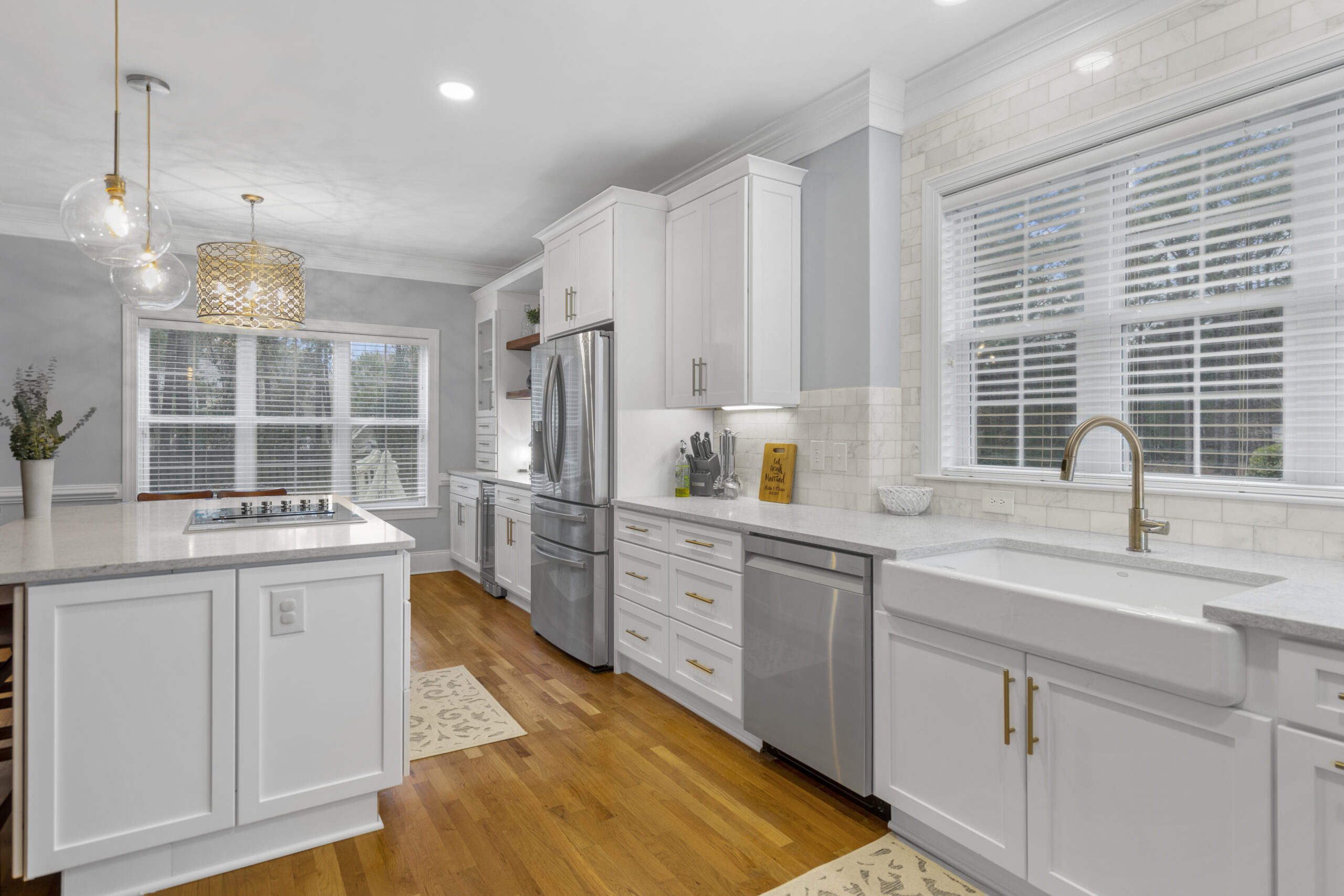
Walk into any showroom, open any catalog, or scroll through Pinterest for ten minutes, and you’ll be buried in images: shaker doors in Benjamin Moore White Dove, inset hinges, unlacquered brass pulls, floating shelves with hidden LED strips. The product is everywhere. And it’s beautiful. So it makes sense that the first question most clients ask a cabinetmaker is some version of: “Can you build something that looks like this?”
But here’s the thing – the clients who end up with truly exceptional cabinetry? They almost never start there.
The Product-First Trap
There’s nothing wrong with inspiration images. They’re useful. But when a project begins with a specific product in mind – a finish, a style, a hardware choice, it skips over the most important work: understanding the space, the life lived in it, and what the cabinetry actually needs to do.
Product-first thinking leads to a predictable set of problems:
- Beautiful cabinets that fight the architecture. A trendy inset shaker door can look stunning in a craftsman bungalow and completely wrong in a 1970s ranch home.
- Storage that doesn’t match how you actually live. The drawer layout that photographs perfectly may not be the one that works for a family of five who cooks every night.
- Finishes chosen in isolation. A warm greige that looks rich on a screen can go flat under the lighting conditions in your actual kitchen.
- Regret that shows up at year two, not day one. Product-first decisions often feel fine at installation and reveal their misalignment slowly, as daily life rubs against them.
The best cabinetry doesn’t just look right. It works right – and that requires a process that comes before any product decision is made.
What “Starting with Process” Actually Means
Starting with process doesn’t mean slowing things down or burying the design phase in endless questions. It means doing the thinking in the right order.
1. Understand the space before you design for it.
Before a door style or finish is discussed, the space needs to be understood in full and not just measured, but studied. How does light move through the room at different times of day? What’s the ceiling height, and how does it relate to proportions? What architectural details need to be honored or worked around? Are there mechanical constraints: plumbing, load-bearing walls, HVAC runs – that will shape what’s possible?
This is the part of the process most clients never see. A skilled cabinetmaker or designer is building a mental map of the space that will inform every decision downstream.
2. Define function before form.
Custom cabinetry is a rare opportunity; the chance to build storage that’s designed specifically for your things, your habits, your workflow. That opportunity is wasted if function is treated as an afterthought.
The right questions here go deeper than “how many drawers do you need?” They sound more like:
- Where do you set things down the moment you walk in?
- What’s always cluttering the counter, and why?
- Who uses this space, and how do their needs differ?
- What do you reach for constantly and what should be accessible versus stored away?
The answers to these questions should shape the interior layout of every cabinet run before a single exterior detail is chosen.
3. Now, choose the product.
With the space understood and the function defined, the product selection becomes almost straightforward. The door style, the finish, the hardware, each of these decisions are now guided by real constraints and real intentions. There are still choices to make, but they’re choices made in context, not in a vacuum.
This is where the selection process gets genuinely enjoyable. You’re not guessing anymore. You’re choosing.
What This Looks Like in Practice
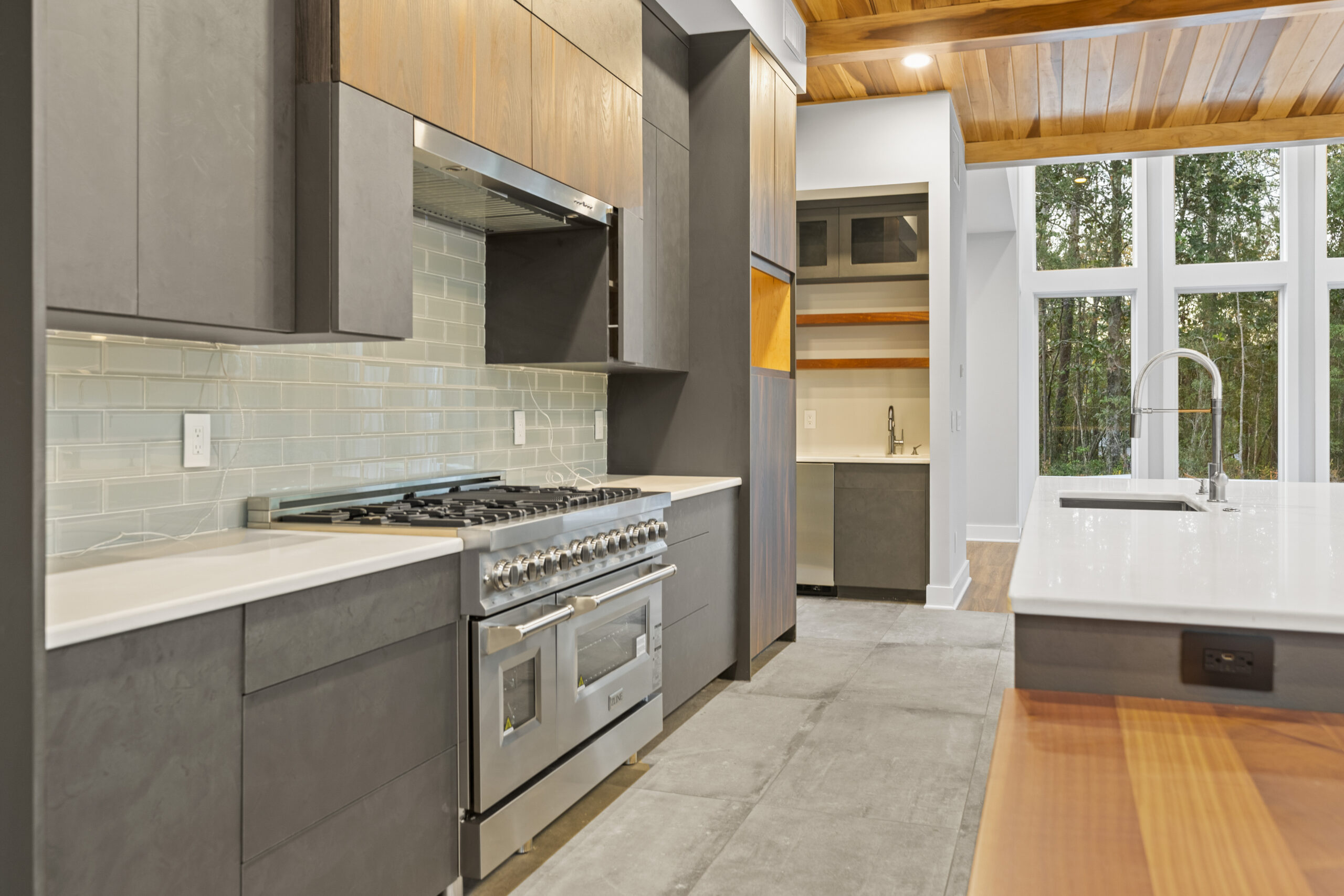
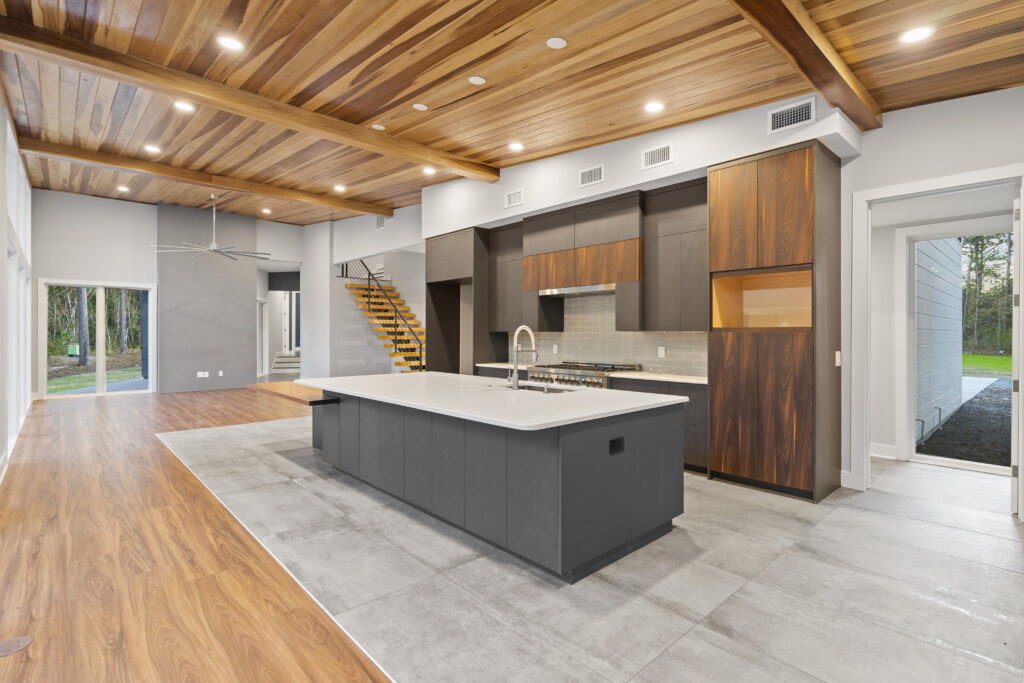
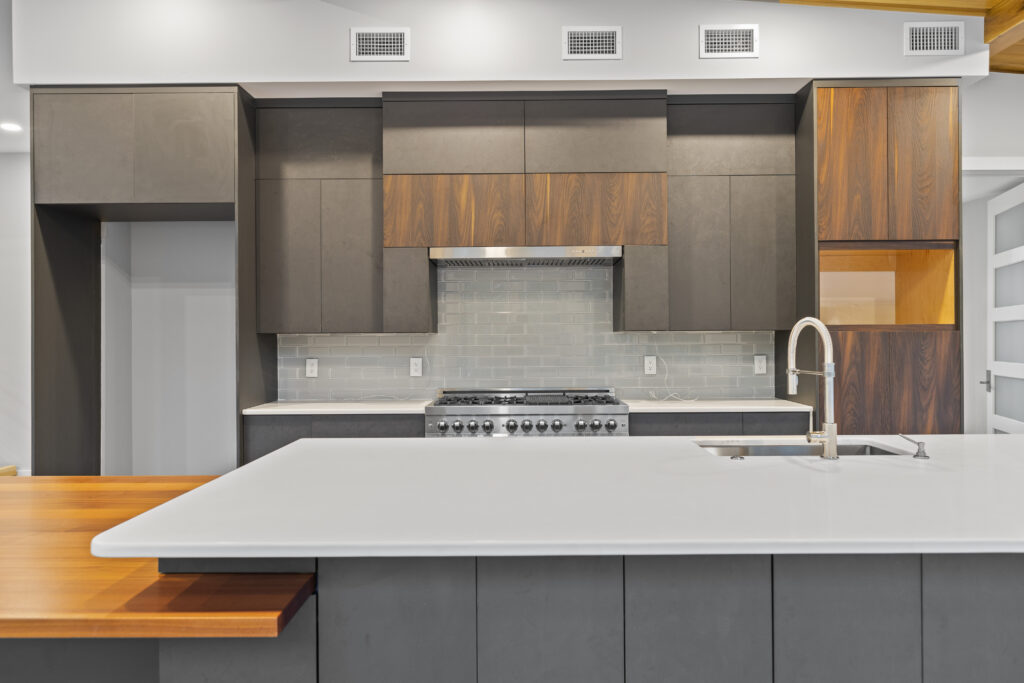
A client comes in wanting a dark kitchen. They’ve seen a picture — moody, dramatic, beautiful. Deep charcoal cabinets, matte black hardware, integrated appliances. They want that.
A product-first approach takes that image and starts speccing it out. A process-first approach asks a few questions first:
How much natural light does the kitchen get? Is the space open or enclosed? What’s the flooring? How do the adjacent rooms feel? Do you have kids or pets? How often do you cook and what kind of cooking?
Sometimes those questions confirm that the dark kitchen is exactly right. Sometimes they reveal that the client doesn’t actually want a dark kitchen – they want a dramatic kitchen, and in their specific space, drama is achieved differently. Maybe it’s a single run of dark lowers against white uppers. Maybe it’s a bold island against a lighter perimeter. Maybe it’s texture and hardware and lighting, not color at all.
The process doesn’t talk clients out of what they want. It makes sure what they want is what they actually get.
The Difference You Can See and Feel
There’s a quality that distinguishes the best custom cabinetry work from the merely beautiful. It’s hard to name, but you feel it when you’re in the space. The cabinets don’t just look good — they look inevitable. Like the room could not have been done any other way.
That quality doesn’t come from the product alone. It comes from the process that led to it.
When a project starts with deep knowledge of the space, honest conversations about function, and design thinking rooted in the home itself, the products chosen at the end of that process carry all of that intention. The result is cabinetry that isn’t just impressive on installation day. It’s still right ten years later.
That’s what process makes possible. And it’s why, for the clients who get the best outcomes, the conversation never starts with what they want it to look like.
It starts with everything else.
Check out our processes here.
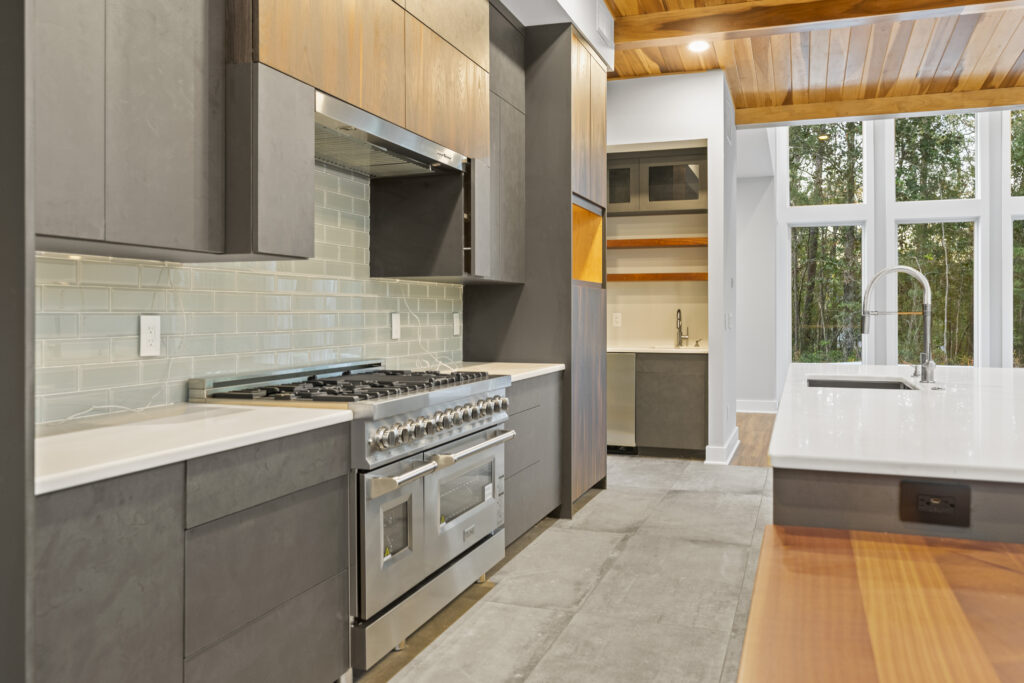
For custom homes and high-end renovations, early planning and thoughtful collaboration make all the difference.